The Bush Blitz program has already uncovered 2,259 species new to science
We use the term new to science for species that are not recognised by Western science. This means that no specimens are in museum or herbarium collections, or existing specimens were only recognised as a separate species as a result of a Bush Blitz. We acknowledge that First Nations peoples may have been aware of the species prior to Western recognition and description.
Taxonomic breakdown of species new to science
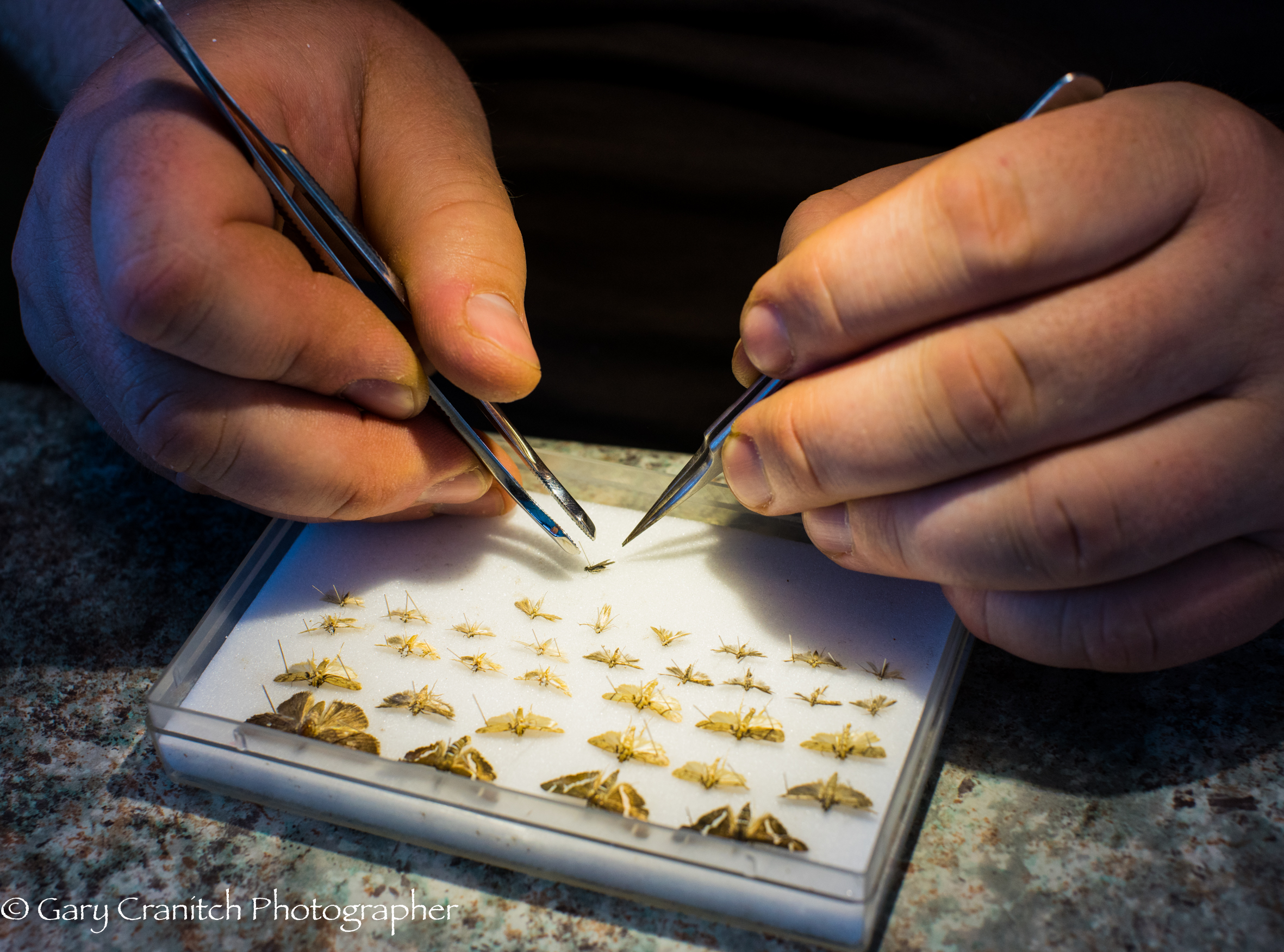
True bugs occupy the number one spot on the Bush Blitz chart (see table below), closely followed by spiders; vascular plants are also in the mix.
The number of species new to science is a function of how poorly known a group is, in relation to its total richness, as well as of survey effort and the availability of taxonomic resources. True bugs score highly partly because they are not well known (approximately 2,500 species have been described, out of a total fauna estimated at between 6,500 and 20,000 species), but also because they have been collected on almost every Bush Blitz, and because there is at present in Australia a core of true bug taxonomists with the time and expertise to identify the specimens brought in. Other groups that are even more diverse and less well known than true bugs (e.g. beetles, with ~23,000 of the estimated 80-100,000 Australian species described) have not yielded as many new species on Bush Blitzes, because of lower survey effort and/or a shortage of taxonomic resources.
| TAXONOMIC GROUP | SPECIES NEW TO SCIENCE |
| True bugs-terrestrial | 603 |
| Spiders | 599 |
| Bees | 172 |
| Moths | 161 |
| Jumping plantlice | 128 |
| Flies | 106 |
| Beetles | 71 |
| Crustaceans | 69 |
| Wasps | 55 |
| Vascular plants | 52 |
| Lichens | 38 |
| Mites and ticks | 36 |
| Thrips | 34 |
| Snails and slugs-terrestrial | 32 |
| Pseudoscorpions | 26 |
| Sponges | 10 |
| Millipedes | 8 |
| Cicadas, horned treehoppers, leafhoppers and planthoppers | 8 |
| Fungi | 8 |
| Flatworms [Phylum Platyhelminthes] | 5 |
| Stygofauna | 5 |
| Algae | 5 |
| Reptiles | 4 |
| Snails and slugs-aquatic | 4 |
| Scorpions | 4 |
| Fishes | 3 |
| Segmented worms [Phylum Annelida] | 3 |
| Mammals | 2 |
| Microwhip scorpions [Order Palpigradi] | 2 |
| Non-vascular plants | 2 |
| Frogs and toads | 2 |
| Molluscs-other | 2 |
| Harvestmen | 2 |
| Ants | 2 |
| Echinoderms | 1 |
| Caddisflies | 1 |
| Damselflies and dragonflies | 1 |
| Tailless whip scorpion | 1 |
| Lacewings | 1 |
| Grasshoppers and crickets | 1 |
What about the vertebrates?
Compared to invertebrates, the terrestrial vertebrate fauna of Australia is well known. However, DNA samples and specimens taken on Bush Blitzes should help resolve the taxonomy of some species complexes of reptiles, frogs, fishes and even mammals, resulting in the description of new species.
Breakdown of species new to science by Bush Blitz