Skip to content
  • What we do
    • Overview
    • Expeditions
    • Taxonomy research funding
    • Bush Blitz TeachLive
  • Who we work with
    • Partnership
    • Land managers
    • Indigenous Australians
    • Teachers
  • Who we are
    • Team profiles
    • Participating institutions
    • Collaborations
  • Resources
    • Citizen science & educational resources
    • Expedition resources
    • Media centre
  • Contact us
Bush Blitz
Bush Blitz
Bush Blitz

Bush Blitz is Australia’s largest nature discovery program

Around three-quarters of Australia’s biodiversity is still waiting to be discovered by science.

Bush Blitz is a unique cross-sector partnership that organises expeditions to document plants and animals across Australia.

Use the above menu to find out more or see our latest news below.

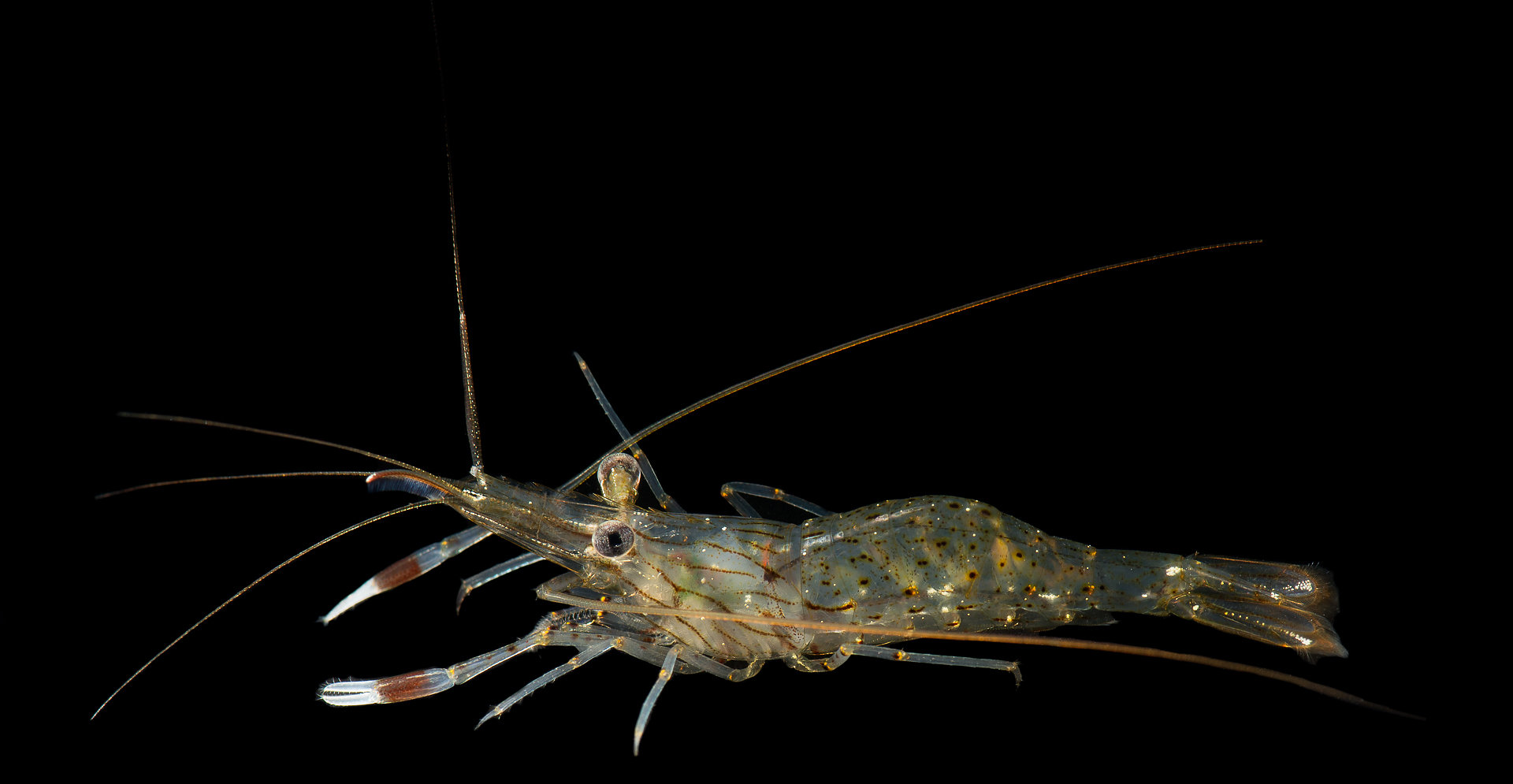
Amazing images from Mallacoota Bush Blitz courtesy of Museum Victoria

November 22, 2016November 22, 2016 Bush Blitz

While the scientists would stumble into basecamp with collecting jars over flowing with specimens and crawl gratefully into bed, David Paul, official photographer of the Museum Victoria, would work into the wee hours of the morning photographing the dazzling array of creatures that had been brought to him. These are just a few of the amazing images […]

Read More →
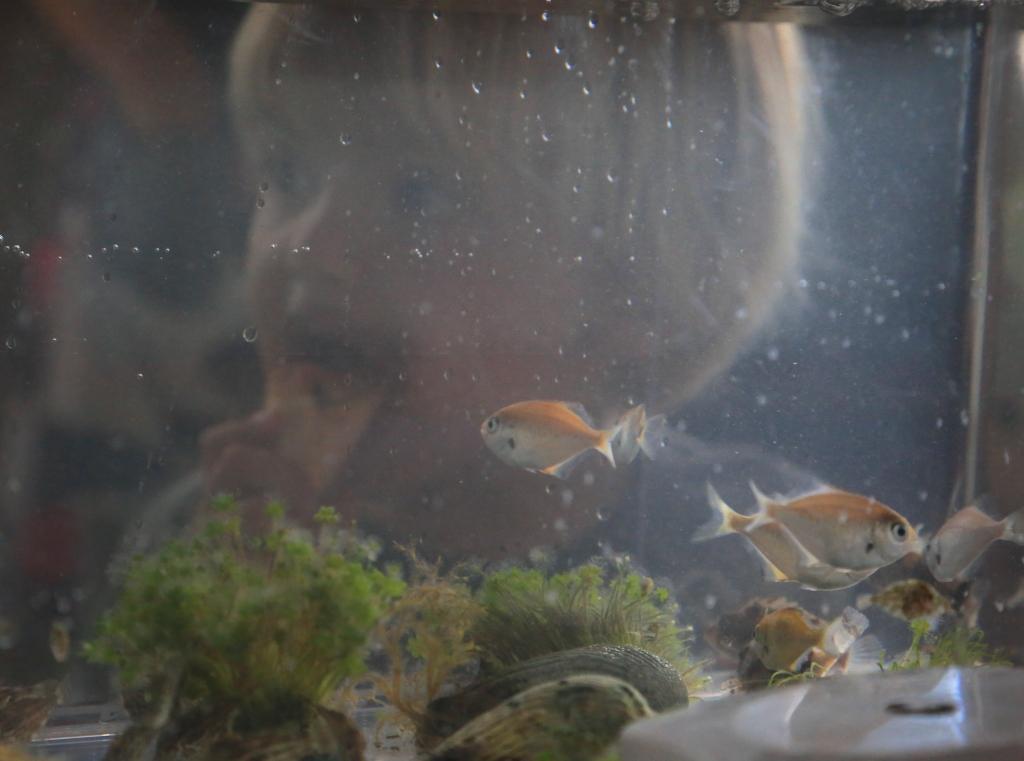
A great turn out for the Mallacoota Bush Blitz Community Day

November 16, 2016November 16, 2016 Bush Blitz

Over 150 people converged on the small seaside town of Mallacoota in east Gippsland last Sunday for the Bush Blitz Community Day. Budding naturalists of all ages enjoyed learning about the terrestrial and marine life that inhabits this wonderful little corner of Victoria. Scientists from the Museum Victoria, and University of NSW, along with staff from […]

Read More →
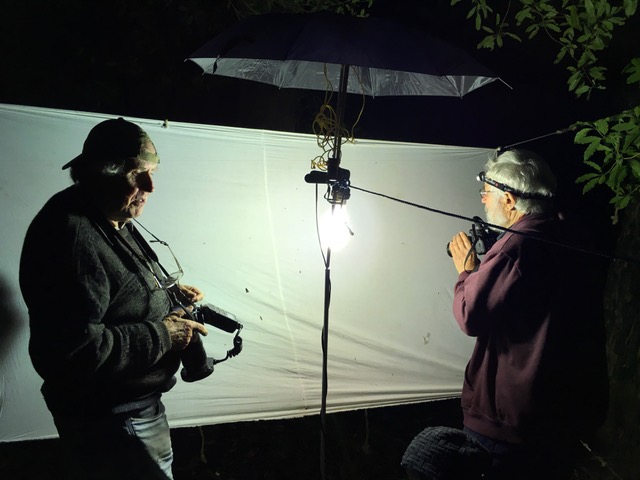
Camp stories from Wingan Inlet

November 14, 2016November 15, 2016 Bush Blitz

Day 1 Two thirds of the way through my first Bush Blitz and I can thoroughly recommend the experience. Helping the scientists to collect, identify and voucher as many specimens as possible is incredible. The standout for me so far is running the camp at Wingan Inlet with Andrea from Earthwatch. We set out on […]

Read More →
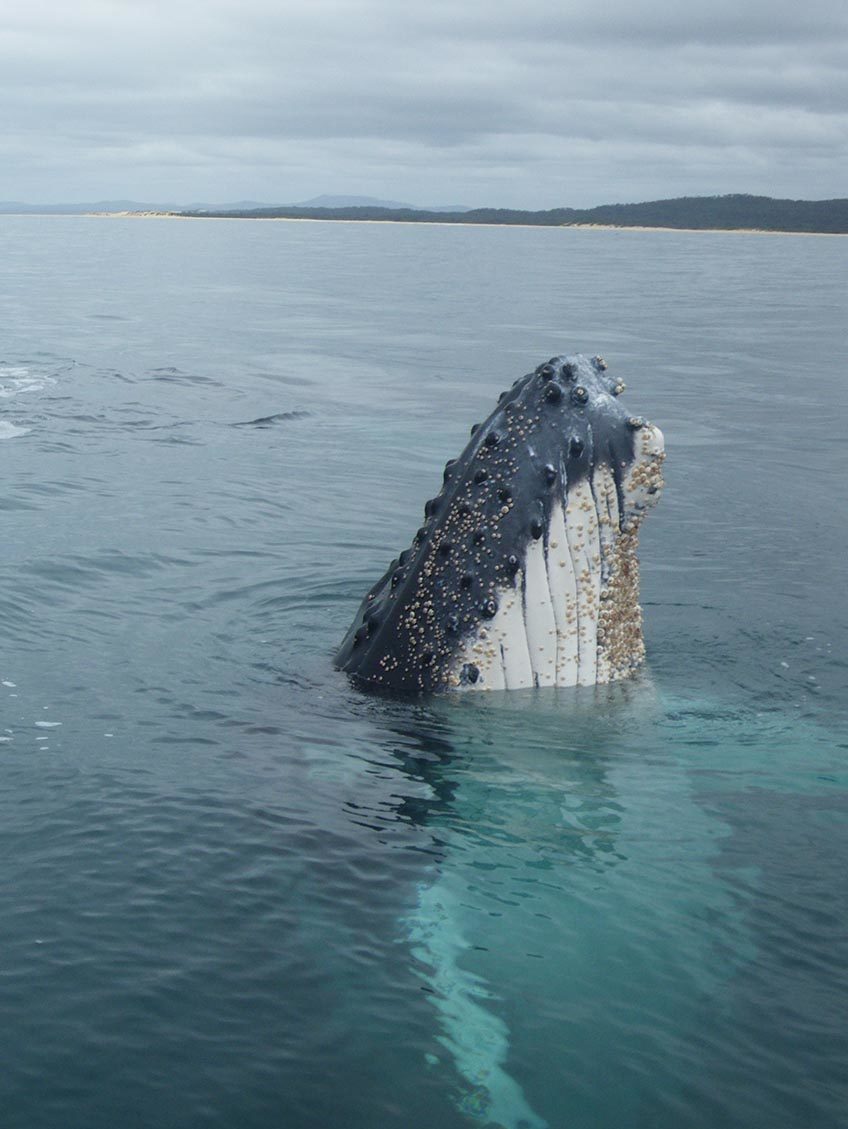
Bush Blitz dives deep in Mallacoota

November 12, 2016March 14, 2017 Bush Blitz

The Bush Blitz aquatic team has been diving deep around Gabo Island just off the coast of Mallacoota bringing back some amazing images of creatures great and small.  

Read More →
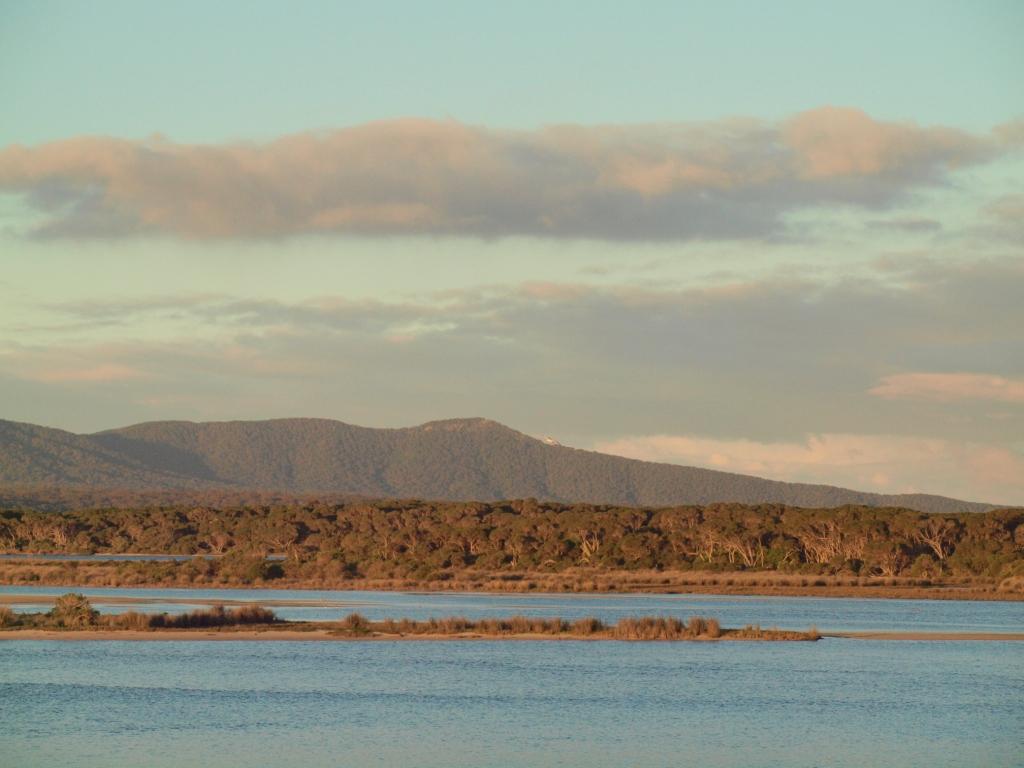
Blitzing the jewel of the south – Croajingalong National Park, Victoria

November 10, 2016March 14, 2017 Bush Blitz

The Bush Blitz team is off into the field again, this time base camp is located in the beautiful seaside town of Mallacoota in the heart of the Croajingalong National Park. Over the next 7 days scientists from Museum Victoria, the National Herbarium of Victoria, Melbourne University and the University of NSW will be searching both land and […]

Read More →
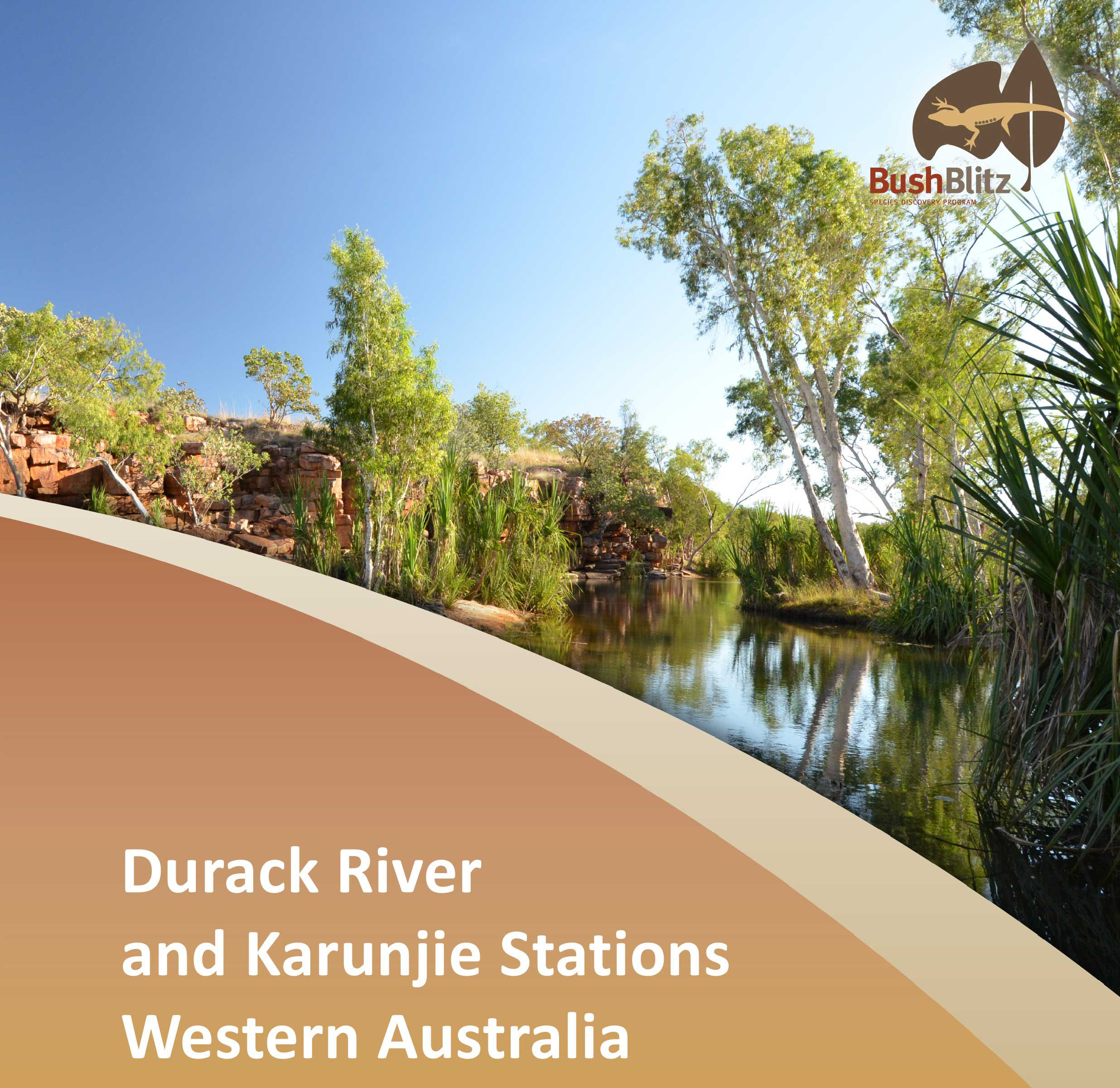
Durack River and Karunjie Stations Western Australia, 2014

November 9, 2016December 21, 2016 Bush Blitz

In May-June 2014, a Bush Blitz survey was conducted at Durack River and Karunjie Stations in the Kimberley, Western Australia. In total 419 species were found that had not previously been recorded for the properties, including 41 species that may be new to science. Nine threatened species were recorded, as well as four exotic or […]

Read More →


  • 14 of 22
  • « Previous
  • 1
  • …
  • 12
  • 13
  • 14
  • 15
  • 16
  • …
  • 22
  • Next »

bushblitz

🐢🦎🕷🐞🐝🐜🐌🦋🦀🐚🌿
Australia's largest partnership uncovering species new to science between the Australian Government, BHP & Earthwatch Australia

Did you know female spiderwasps can carry huntsman Did you know female spiderwasps can carry huntsman spiders 10-20 times their size? She stings, paralyses and lays an egg in the spider. The wasp larva then hatches and eats the spider from the inside out.

💪🐝+🕷️ = 🐛🕷️🍽️

📷bry_the_fly_guy Ngunnawal Country, Canberra ACT

#bushblitz #wasps #nature #entomology #biodiversity

@earthwatch_aus @Parks_Australia
Most people find wasps scary, but here are seven r Most people find wasps scary, but here are seven reasons why we should love wasps!

💛🐝

7. They eat spiders so they can’t bite you 🕷️💀

Female spiderwasps sting, paralyse, rip the legs off and lay eggs inside spiders so their babies have something to eat.

6. Flower power 💪🌸

Adult wasps are helpful pollinators of veggies and native plants thanks to their craving for pollen.

5. Hidden beauties 🔎👄

Most of the 12,000 native Australian wasp species are drop dead gorgeous.

4. Masters of disguise 🕵️

To bee or not to bee? Some wasps mimic bees or ants to blend in or avoid predators.

3. Ancient wonders 🦴⌛

Wasps have been around since the time of the dinosaurs like this fossil sawfly that’s 11 million years old!

2. Mumma bears 🐛🍼
Female wasps care for their young like mudwasps and paperwasps that build nests, or sawflies that guard their brood.

1. Their sting could cure your next headache 💉🧠
Wasp venom has a unique effect on the central nervous system that could one day be used to treat Alzheimer’s.

Watch Dr Juanita Rodriguez (@juanita_rodr) share her love of wasps as she searches for ‘sneaky’ spiderwasps on the Pilliga Bush Blitz in our latest YouTube video!

✍️ @bry_the_fly_guy 

#BushBlitz #PilligaBushBlitz #Pilliga #entomology #biodiversity

@earthwatch_aus @parksaustralia @csirogram
Spider wasps are the friends you didn’t know you n Spider wasps are the friends you didn’t know you needed! 🐝💛

Are wasps really that scary? Can they help us in the garden? What if they could take the sting out of our next headache using their venom?

Meet Dr Juanita Rodriguez (@juanita_rodr), a CSIRO (@csirogram) entomologist who’s dedicated her career to all thing’s wasps, from naming species new to science to unlocking potential new medicines from their venom.

Take a walk on the wild side with Bry the Fly Guy (@bry_the_fly_guy) and Juanita as they search for ‘sneaky’ spider wasps on a Bush Blitz to the Pilliga (NSW, Australia). 

You won’t believe what they uncover as they look for clues that help answer some of our waspiest questions!

🐛What do wasps eat?
🧑‍🍼Are wasps good parents?
🪽Do all wasps have wings?
💉Could we treat Alzheimer’s with the sting of a wasp?

How many wasp species do you there are? Turns out there’s a lot – Australia has more than 12,000 species buzzing across the continent!

Watch the full episode of our new Bush Blitz: Nature Uncovered series on our YouTube channel (youtube.com/@bushblitz) or read the full interview on our website (bushblitz.org.au) or the CSIRO Blog (www.csiro.au/en/news).

This episode was filmed on the lands of the Gamilaraay, Gamilaroi and Gomeroi peoples in the Pilliga in New South Wales, Australia.

#BushBlitz #PilligaBushBlitz #Pilliga #wasps #entomology

@earthwatch_aus @parksaustralia @csirogram
You won’t bee-lieve this! There are still 500 Aust You won’t bee-lieve this! There are still 500 Australian native bee species hiding in nature!
🐝
Happy World Bee Day! Did you know that Australia has 1500 species of native bees that have been scientifically named?
🤯
Entomologists like Dr Juanita Rodriguez (@juanita_rodr @csirogram) are still describing bee species new to science. A lot of attention goes to the European honeybee which was introduced into Australia to pollinate food crops BUT we need more people studying the unsung pollinators – our champion native bees and insects!
🌺
Join entomologist Dr Juanita Rodriguez and our very own Bry the Fly Guy (@bry_the_fly_guy) on a Bush Blitz to the Pilliga (NSW) as they look for native bees.
🔍
Juanita’s full wasp-loving episode will buzz onto our YouTube very soon!
📺
This episode was filmed on the lands of the Gamilaraay, Gamilaroi and Gomeroi peoples in the Pilliga in New South Wales, Australia.

Additional 📸 courtesy of Bryan Lessard, Helen Cross (@helenwylkscross) and the CSIRO Australian Nation Insect Collection.
 
#BushBlitz #PilligaBushBlitz #Pilliga #biodiversity #fieldwork
@earthwatch_aus @parksaustralia
We’re celebrating our 50th Bush Blitz on King Isla We’re celebrating our 50th Bush Blitz on King Island!

We’re excited to share what we found during our recent Bush Blitz to King Island, Tasmania. Home to woodland forests, grasslands and wetlands, King Island is a remote island located at the western entrance to Bass Strait, halfway between Victoria and Tasmania.

12,000 years ago, King Island was once part of the land bridge between Tasmania and mainland Australia. Now it’s home to a mix of unique flora and fauna related to its Victoria and Tasmania counterparts – including species uncovered for the first time!

Our King Island Bush Blitz team recorded:

🤯44 species new to science

🦋1,301 species of animals, plants and fungi

🚨70 introduced pest species

🦞First records of the Southern Hairy Red Snail, Gristle Fern and IUCN Red Listed Common Yabby.

A huge thank you to our friends for making the King Island Bush Blitz a success!

❤️Tasmanian Museum and Art Gallery @tasmuseum, Tasmanian Herbarium, Royal Botanic Gardens Victoria @royalbotanicgardensvic, University of New South Wales @unsw, King Island High School and King Island Field Naturalists Club.

Read the full report on the Bush Blitz website at bushblitz.org.au

#KingIsland #bushblitz #taxonomy #Tasmania #Stem @earthwatch_aus @parksaustralia
Team Bush Blitz had a blast sharing our love for t Team Bush Blitz had a blast sharing our love for tiny critters at this year's World Science Festival Brisbane. 
💚🐝🐞🦋👀
Kids loved learning how to classify Pokemon and insects playing our name game and even got up close to some real life Pokemon - the Goliath stick insect! We even had a visit from nature warrior Ranger Stacey @ranger_stacey herself!

Thanks to the @earthwatch_aus crew and local entomologist Dr Nicole Gunter from @qldmuseum for helping out and speaking to so many young scientists in the making!

Stay curious! 🤓🔎🐛

@worldsciencefestivalbrisbane @parksaustralia 
#BushBlitz #biodiversity #brisbane #wsfb2026 #wsfb
Do you have an extra hop in your step today? That Do you have an extra hop in your step today? That might be because it’s World Frog Day!
🌏🐸
Today we’re celebrating the ribbet-ting frog species living on Jawoyn Country near Katherine, Northern Territory. Our Jawoyn Bush Blitz frog team @jodirowley, @danetrembath and @miss_varanus didn’t croak under pressure while they were looking for frog species new to science.
🔎🐸
Did you know that there are 240 known species of native frogs in Australia? Not only are they the only amphibians in Australia and an important part of our ecosystem, but they serenade us with their love songs. Scientists like our friends at the @australianmuseum can identify frog species by listening to their unique calls.
🎶🐸
Want to identify the frogs singing in your backyard? Download the citizen science app @frogidaus and help scientists identify species and get a better understanding of the frog populations living around you. Your frog calls might even help scientists identify frog species that are new to science!

#frogsofaustralia #🐸 #WorldFrogDay #BushBlitz #JawoynBushBlitz
Happy Taxonomist Appreciation Day! 💚🦎🐢🐸🐨🦇🦉🪳🦋🪰🪲🪱🐠🦞 Happy Taxonomist Appreciation Day!

💚🦎🐢🐸🐨🦇🦉🪳🦋🪰🪲🪱🐠🦞🍄🌿🌳

Today we celebrate the hard working scientists who name, classify and document species. Their work is the foundation to our understanding of biology, conservation and the natural world.

💪🔬🌏

Please enjoy this supercut of our taxonomist friends explaining why taxonomy is important as they look for species new to science!

🐸💚@jodirowley 

🕷️🤍 @2fangs8legs 

🐝💛 @juanita_rodr 

🪲♥️ Maya Darby

🐜🤎 @ant__frank 

Thank you to all the wonderful taxonomists who have joined Bush Blitz since it started in 2009 and named more than 2000 species new to science! After all, naming a species is the first step to protecting it.

🫶

This video was filmed on Bush Blitz surveys to Jawoyn Country (near Katherine, NT) and Gamilaraay, Gamilaroi and Gomeroi Country (Pilliga, NSW).

#bushblitz #taxonomy #species #biodiversity #biology @earthwatch_aus @Parks_Australia

Know a taxonomist? Give them a shout out below in the comments!
Did you know there are 480 species of Australian g Did you know there are 480 species of Australian grasshoppers? 🦗🦗🦗
Adults are ‘greedy’ pollinators. While transferring small amounts of pollen, they can eat too much and damage the plant.

#bushblitz #insects #entomology #nature #biodiversity

@earthwatch_aus @Parks_Australia
Outback Magazine is going on a Bush Blitz adventur Outback Magazine is going on a Bush Blitz adventure!

From Priscilla car nets to helicopter surveys, our scientists use every trick in the book to uncover species new to science 🔍🦎

Dive into the latest issue of Outback Magazine (@rmwilliamsoutbackmagazine) for a behind‑the‑scenes look at how Bush Blitz expeditions are planned, the species we’re targeting, and just how many unnamed species are still waiting out there.

Plus, frog expert Dr Jodi Rowley (@jodirowley) shares her favourite frog facts and explains why studying frogs and biodiversity is important work 🐸💚

Grab your copy at your local newsagent or visit: www.outbackmag.com.au/life-as-we-know-it/

Our expedition leader Kate Grarock (@kategrarock) thinks it’s a ripper!
Meet Maya Darby, a passionate entomologist and UNS Meet Maya Darby, a passionate entomologist and UNSW PhD student studying Australian true bugs (Hemiptera). 

Maya joined our Pilliga Bush Blitz looking for true bug species new to science. Spoilers: she might have found some!

This International Day of Women and Girls in Science, Maya shares how she got interested in bugs and provides some great advice to any young person thinking of becoming a scientist! 

Watch the full video at youtube.com/bushblitz

Read the full interview on our website: https://shorturl.at/D0Syf

The Pilliga Bush Blitz took part on the lands of the Gamilaraay, Gamilaroi and Gomeroi peoples in the Pilliga in New South Wales, Australia. We pay our respect to their elders past and present and recognise their deep understanding and connection to biodiversity living on Country.

#WomenInSTEM #GirlsInStem #pilliga #pilligabushblitz #bushblitz

@earthwatch_aus @parksaustralia
Did you know that cicadas are the loudest animals Did you know that cicadas are the loudest animals in the world singing up to 120 decibels — that’s louder than a lawnmower. Only males sing to attract females by crunching their musical abs. Scientists can identify cicada species using their unique love songs.

☀️😎🎶
 
📷@bry_the_fly_guy Ngunnawal Country, Canberra ACT
 
#cicadas #summer #bugs #insectsofinstagram #insects @earthwatch_aus @Parks_Australia
Did you know that not all insects are bugs? 🤔 The Did you know that not all insects are bugs? 🤔

There are 6,500 species of Aussie true bugs (Hemiptera) with sucking mouthparts like stink bugs, cicadas and leafhoppers.

📷 @bry_the_fly_guy Ngunnawal, Canberra ACT

#bugs #insectsofinstagram #insects #entomology #bushblitz #taxonomy #species #science #biodiversity #stem #stemeducation #Australia #biology #fieldwork @earthwatch_aus @Parks_Australia
Did you know that some birds get their brilliant c Did you know that some birds get their brilliant colours from eating bugs! Entomologist Maya Darby from @UNSW explains why, while she’s out collecting true bugs on our Pilliga Bush Blitz with @bry_the_fly_guy 

#GamilaraayCountry #GamilaroiCountry #GomeroiCountry #Pilliga #BushBlitz #PilligaBushBlitz #NSW #australianmuseum #royalbotanicgardens #biodiversity #species #nature #adventure #fieldwork #travel #science #biology #teachers #stem #stemeducation #bugs
@earthwatch_aus @parksaustralia @australianmuseum @botanicsydney @australianwildlifeconservancy
2025 turned out to be a great year for biodiversit 2025 turned out to be a great year for biodiversity!

Thanks to our wonderful team of scientists, Aboriginal and Torres Strait Islander participants and rangers, and museum and herbaria partners for making this year a huge success. So far we’ve searched land and sea to uncover 2262 species new to science!

Happy holidays and see you in 2026!

#bushblitz #taxonomy #species #science #biodiversity #stem #stemeducation #Australia #biology #fieldwork @earthwatch_aus @parksaustralia
Meet spiderman Dr Mark Harvey – an arachnologist f Meet spiderman Dr Mark Harvey – an arachnologist from the Western Australian Museum (@wamuseum) who has been on nine Bush Blitzes looking for species new to science. Mark has just named is 1000th species – from spiders and millipedes, to scorpions and pseudoscorpions, oh my! Well done Mark on your massive milestone and for your huge contribution to Australian taxonomy and systematics! Talk about a leg-acy! 🕷️🦂❤️

🖋️ @bry_the_fly_guy

@wamuseum #BushBlitz #spiderman #westernaustralianmuseum #WAM #spider #millipede #scorpion #pseudoscorpion #taxonomy #biologist #scientistsofinstagram @parksaustralia @earthwatch_aus
Thanks for joining us while we explored the Coral Thanks for joining us while we explored the Coral Sea! 🪸

We hope you had as much fun as we did on board RV Investigator and learnt a thing or two about some cool marine life!

@csirogram @oceancensus @parksaustralia

#RVInvestigator #CoralSeaFrontier #BushBlitz #AustralianMarineParks #NCRISimpact #TheNipponFoundation #speciesdiscovery
Let’s name the zones of the open seaaaaaaaa 🌊 Won Let’s name the zones of the open seaaaaaaaa 🌊

Wondering how depth influences ocean life? Have a swipe through and see what depth ranges we surveyed in the Coral Sea!

@csirogram @oceancensus @parksaustralia

#RVInvestigator #CoralSeaFrontier #BushBlitz #AustralianMarineParks #NCRISimpact #TheNipponFoundation #SpeciesDiscovery
Follow on Instagram
Logos for the Department of Climage Change, Energy, the Environment and Water; and, Parks Australia.
Logos for BHP; and, EarthWatch.
© 2023 - Bush Blitz, all rights reserved.
BushBlitzLogo Header Menu
  • What we do
    • Overview
    • Expeditions
    • Taxonomy research funding
    • Bush Blitz TeachLive
  • Who we work with
    • Partnership
    • Land managers
    • Indigenous Australians
    • Teachers
  • Who we are
    • Team profiles
    • Participating institutions
    • Collaborations
  • Resources
    • Citizen science & educational resources
    • Expedition resources
    • Media centre
  • Contact us